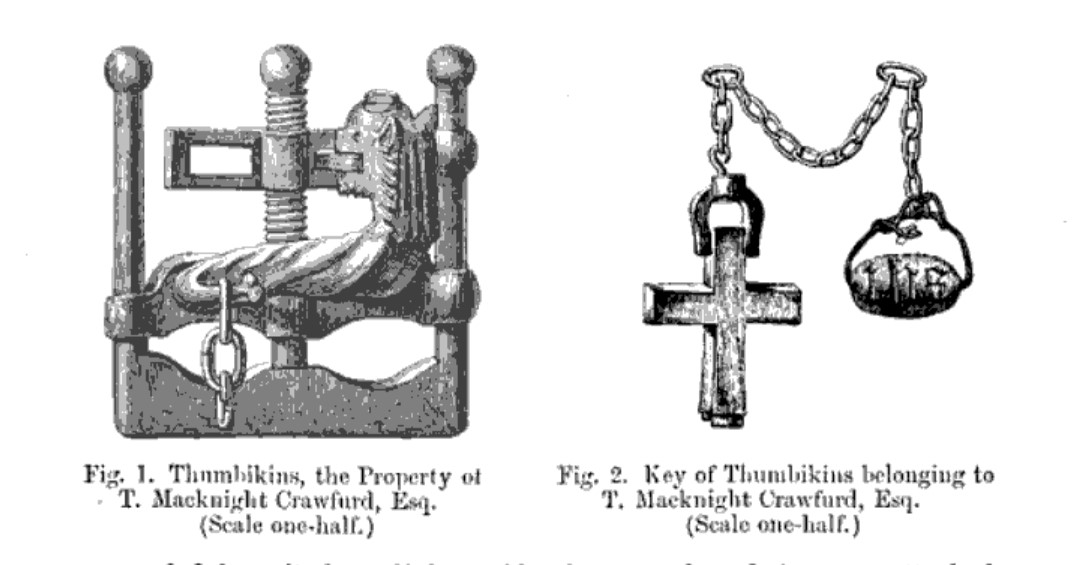
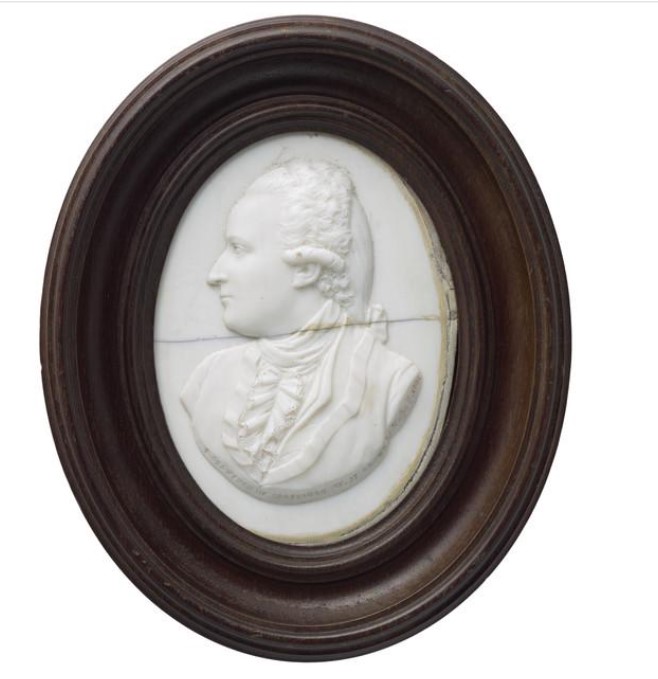
Christian Arthur Crawfurd was the daughter of ChristianCrawfurd and Robert Arthur. She
succeeded to the Cartsburn estate on the death of her mother in 1796, becoming
the sixth Crawfurd of Cartsburn. Born in Greenock in 1749, Christian married Thomas Macknight
at Irvine in 1779. In 1786 Macknight
bought the estate of Ratho in Midlothian where the couple lived. The area is now part of Ratho Park Golf Course.
.JPG) |
| Ratho Kirkyard |
Thomas Macknight (1738-1811) had a remarkably interesting
life before settling at Ratho. He was
the son of William Macknight (d.1750), minister at Irvine, Ayrshire and his
wife, Margaret Gemmil (d.1753), (daughter of Gemmil of Dalraith, Fenwick,
Ayrshire).
In the 1750s Thomas Macknight, like many other young
Ayrshire men set out for America and settled in the Currituck and Pasquotank regions
of North Carolina around 1757. He owned
the Belville Estate which he describes – “The plantation on which I lived lay
near the centre of the whole tract; this I had improved at a very great
experience by enlarging the clear ground; by taking in meadow lands; by
planting extensive orchards of fruit trees, carefully collected from different
parts of Europe and America; by making a garden and pleasure-ground containing
ten acres for which I kept a regular-bred gardener from Britain”.
He also set up a shipyard on the North River and owned
several ships, including one named the Belville, trading between America and
Europe. This is how he describes his
yard – “I had erected on the north side of the river at a very great expense
the most commodious, and I will venture to say the best shipyard in the
province, where I had every convenience for careening as well as for building
vessels.” There’s a very interesting
article about archaeological work undertaken at his shipyard - The Macknight
Shipyard Wreck (click to read).
He owned other land in connection with business partners,
fellow Scots - James Parker and William Aitchison in the company Thomas Macknight & Co. He describes their joint land holdings – “The
lands which we distinguished by the name of Campania were known by the name of
the Great-Swamp, and lay in the counties of Currituck, Pasquotank, and
Perquimans, adjoining the Virginia boundary line. The soil of these lands was rich, but in
general too wet for agriculture without a considerable expense in
draining. They were however immediately
valuable on account of the excellent winter pasture they afforded to cattle, and
still more so on account of the Juniper (or white Cedar) and Cypress Trees with
which they were covered. Of this timber
the Shingles are made, which are used for covering houses all over America and
the West India Islands.” He was also involved in business with William McCormick who was his brother in law (his brother, James Macknight was married to Elizabeth McCormick).
He took part in local affairs and was a member of the
General Assembly for the county as well as clerk to the county court. He also was responsible for a church being
built in the area. Unfortunately, the Revolutionary War, brought all his work
here to an end. In 1775 as a member of
the Provisional Congress of New Bern representing Currituck he refused to sign
the Association - papers agreeing to stop trade with Britain. He and his business partners had many trading
links with Britain and the West Indies, and at that time much of the trade was conducted on the
credit system. A failure in continuing
trade would mean having to settle large debts.
Branded a loyalist his home, land and businesses were confiscated, and
he was in fear for his life. He
travelled to Norfolk, Virginia to speak to Governor John Dunmore to see what
could be done. His engineering skills
were put to good use in building a defensive wall around the town much of which
he paid for himself.
With the increase in hostilities, he returned to Britain and
while in London attempted to obtain compensation for his losses - land, ships,
slaves and merchandise - from the British Government. Macknight filed a claim to recover his losses
in the sum of £23,183, but received much less in compensation. Back in America his plantation of Belville
was sold off.

The summary of his petition to the Government in connection
with compensation for his ships reads -Thomas Macknight … “His loyalty having rendered him
obnoxious to the Rebels in America he was obliged in October 1775 to leave
North Carolina to avoid assassination.
Seizure of a ship of his by the rebels, in December of that year. Recounts the subsequent capture of this
vessel by one of His Majesty’s ships of war, her first detention having
prevented her beginning her voyage till after the Prohibitory Act took place. Other losses he has sustained. Prays reparation for them, and that their
Lordships will grant redress, instead of allowing him to suffer by the effect
of British laws.” His business partners were in the same position, and there
was also the difficulty of agreeing how any compensation should be shared
between them.
Though unable to receive full compensation, Thomas Macknight
returned to his family in Irvine and married Christian Crawfurd in 1779. He bought the estate of Ratho in 1786. Like his estate in North Carolina, Thomas
Macknight was responsible for many improvements to the land in his time at
Ratho.
Christian and Thomas had three children – Christian born in
1780, Elizabeth born in 1781 and William (who would succeed his mother as seventh of Cartsburn) born in 1785. Two other children, Robertina and Thomas died
in infancy. The Macknight family grave
is in the kirkyard of Ratho Parish Church.
The centre panel of the grave marker reads:-
In memory of
Thomas Macknight Esquire of Ratho who died April 1811 in his
73rd year
Christian Crawfurd of Cartsburn his wife who died 12 April
1818 in her 60th year
Margaret and Robertina their daughters who died in infancy
Thomas, their youngest son Who died January 18 in his 7th
year
All buried here.
The lower section reads:-
In Memory of William Crawfurd Esq Of Cartsburn
their eldest son who died November 1855
Jane Crawford his wife Who died 12th December 18 aged/ ?
Thomas William Allan Macknight Crawfurd their grandson who
died February 18?
These are interred in the burying ground of Cartsburn at
Greenock.
Another part reads:-
Sacred to the memory of the late Miss Elizabeth Macknight.
Second daughter of the late Thomas Macknight of Ratho
Born 24 December 1782 died at Edinburgh on the 16th March
1864
Thomas Macknight died in 1811. A curious passage in his will reads -
“I have a high value and esteem for the said Mrs Christian Crawfurd, and am sensible that her conduct as my wife has been uniformly and highly meritorious in very trying circumstances, although her income after my decease will be ample from her having lately succeeded to the Estate of Cartsburn, the rents of which after my death will be at her free disposal.”
Ratho Street in Greenock was probably named because of the
Macknight family connections with the area and perhaps Belville Street also in Greenock was
named after Thomas Macknight’s estate in North Carolina. Both these streets are in the east end of Greenock, land that was once owned by the Crawfurd family.
Thomas Macknight's Family
Thomas Macknight’s brother was the Rev Dr James Macknight
(1721-1800), a minister in Edinburgh.
James was married to Elizabeth McCormick (1828-1813), the daughter of
Samuel McCormick, General Examiner of Excise in Scotland. Elizabeth’s brother William McCormick was a
friend of Thomas and fellow merchant and loyalist.
Once again trade links between the west coast of Scotland and pre-Revolutionary America are very much a family affair and once again there is the Greenock, Port Glasgow/Ayrshire link. For more examples of these trade links, please click on the names Robert Adam, Richard Brown, Robert Allison to read about other early local traders in America.


.JPG)
.JPG)

.JPG)

.JPG)


.JPG)
.JPG)
.JPG)
.JPG)




.JPG)
.JPG)




.JPG)